
Kano Solar Project

Project Details
Sector
Industrialisation
Commencement Date
January 2019
Completion Date
Q1 2023
Participants
NSIA, FGN, Kano State Government, Kumbotso LGA
StateS
Kano
Project Description
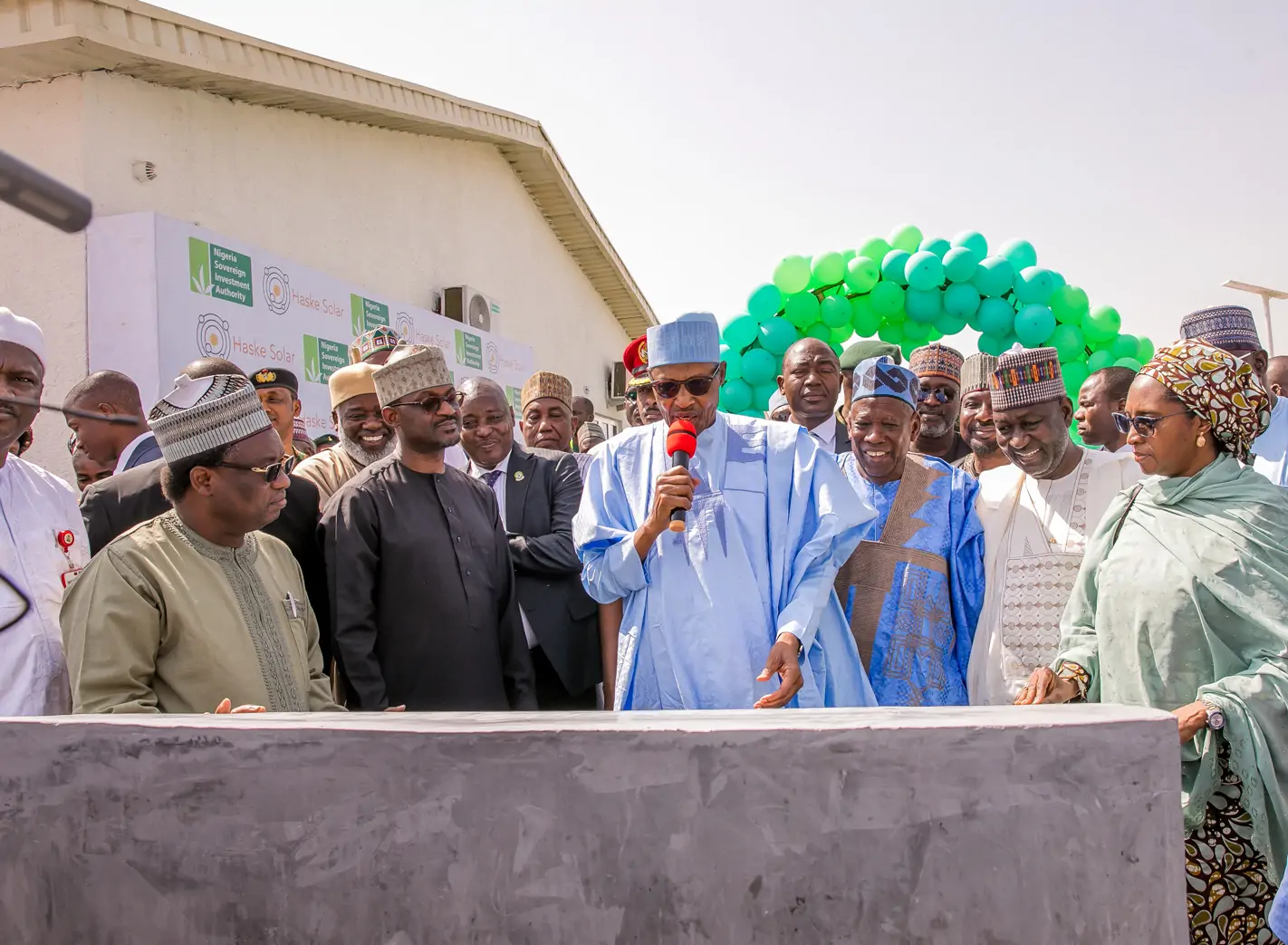
NSIA was appointed by the President of the Federal Republic of Nigeria, in a letter dated December 12, 2018, to assume the role of Funds and Project Manager for the development and construction of a 10MW FGN/Kano Solar Project (the “Project”).
NSIA was tasked with the responsibility of:
- Creating a special purpose vehicle (“SPV”) – Haske Solar Company Ltd – with the following ownership structure: Federal Government of Nigeria with 80%, Kano State Government with 15%, and Kumbotso Local Government with 5%.
- Undertaking project development activities (including environmental impact assessment, basic engineering, and designs of the plant, load flow studies, energy yield studies, geotechnical & physical studies, and legal contracting).
- Procurement of a construction and operations contractor.
- Construction of the plant.
- Operationalisation of the Project.
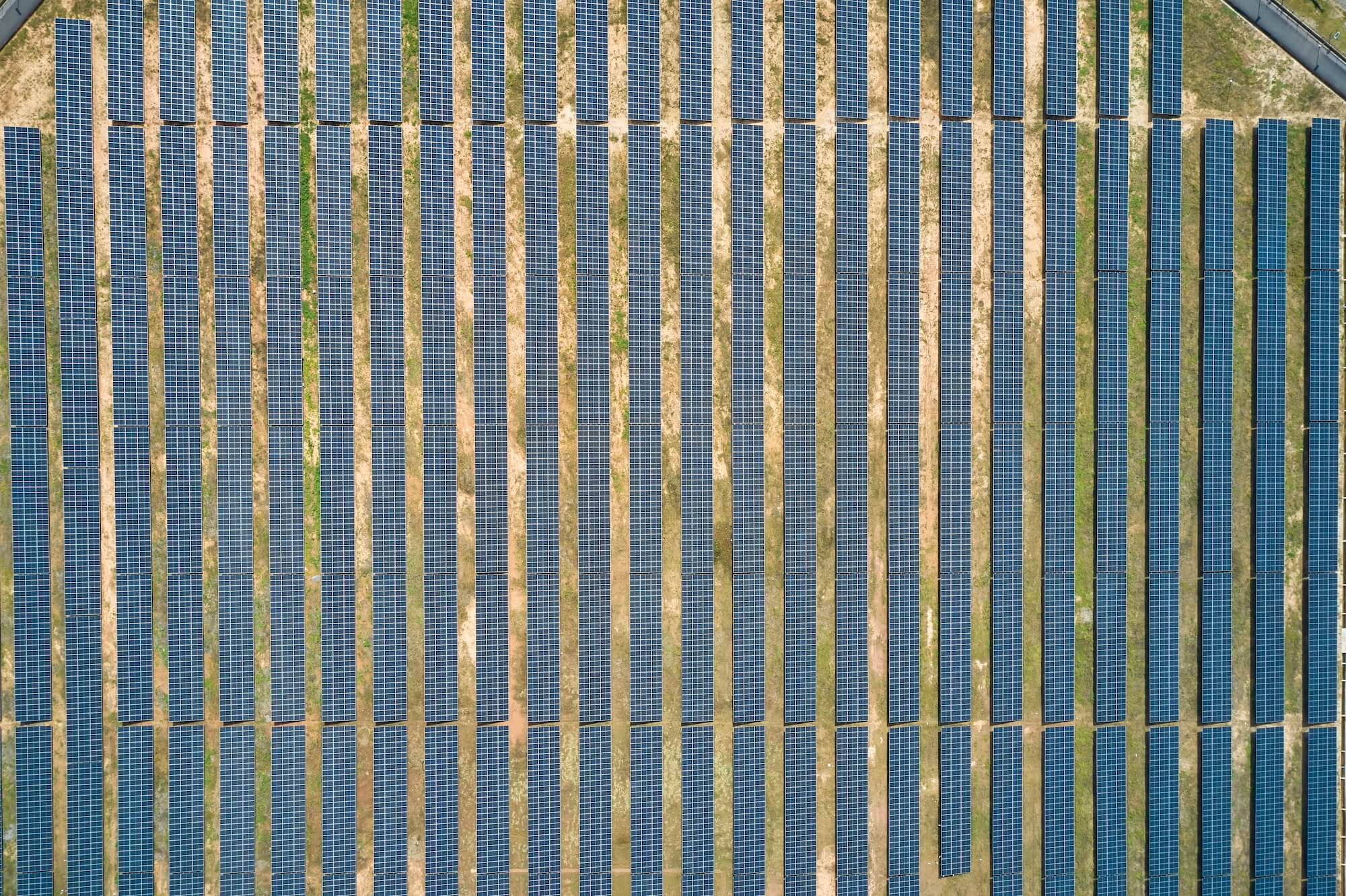
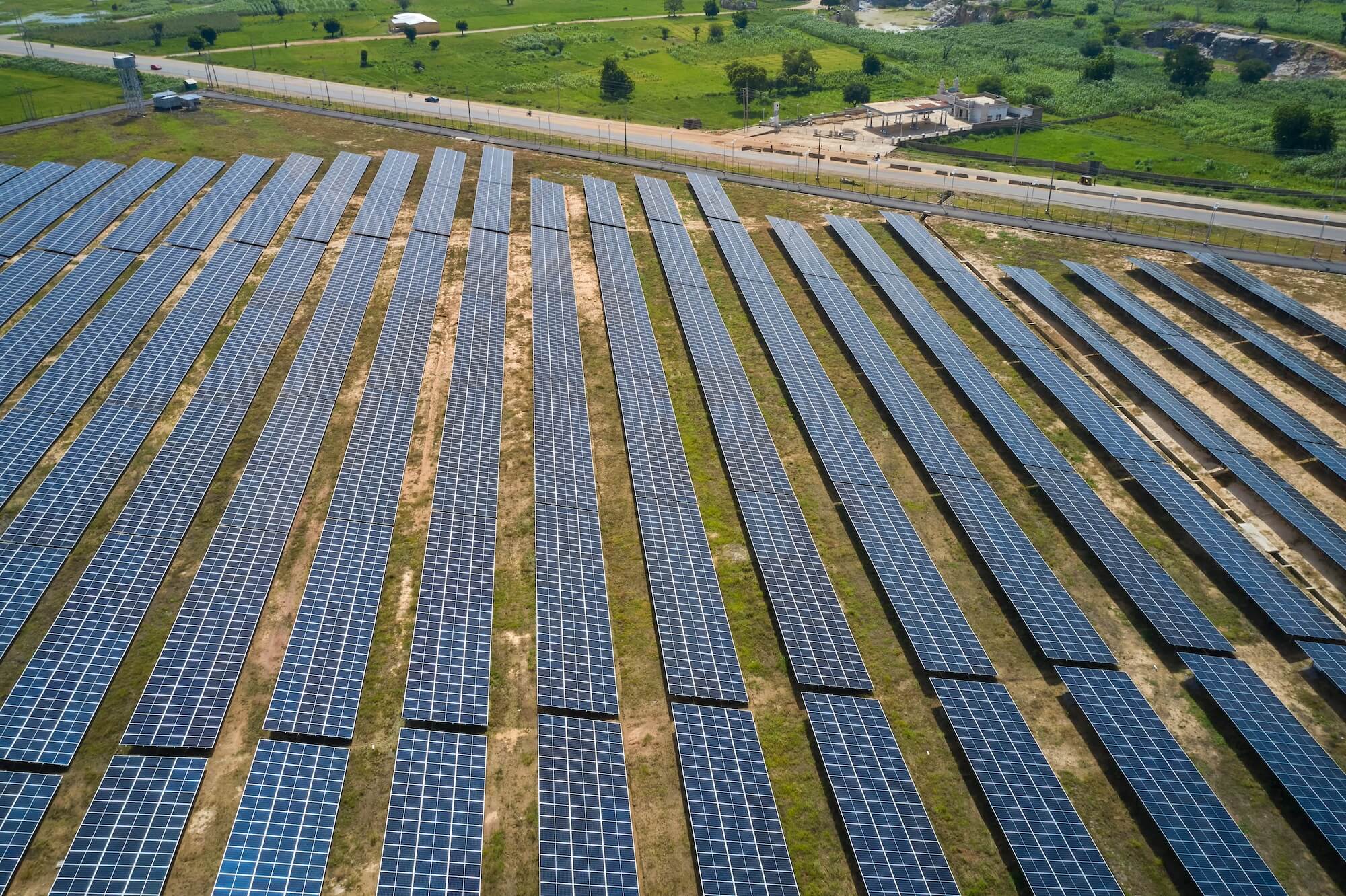
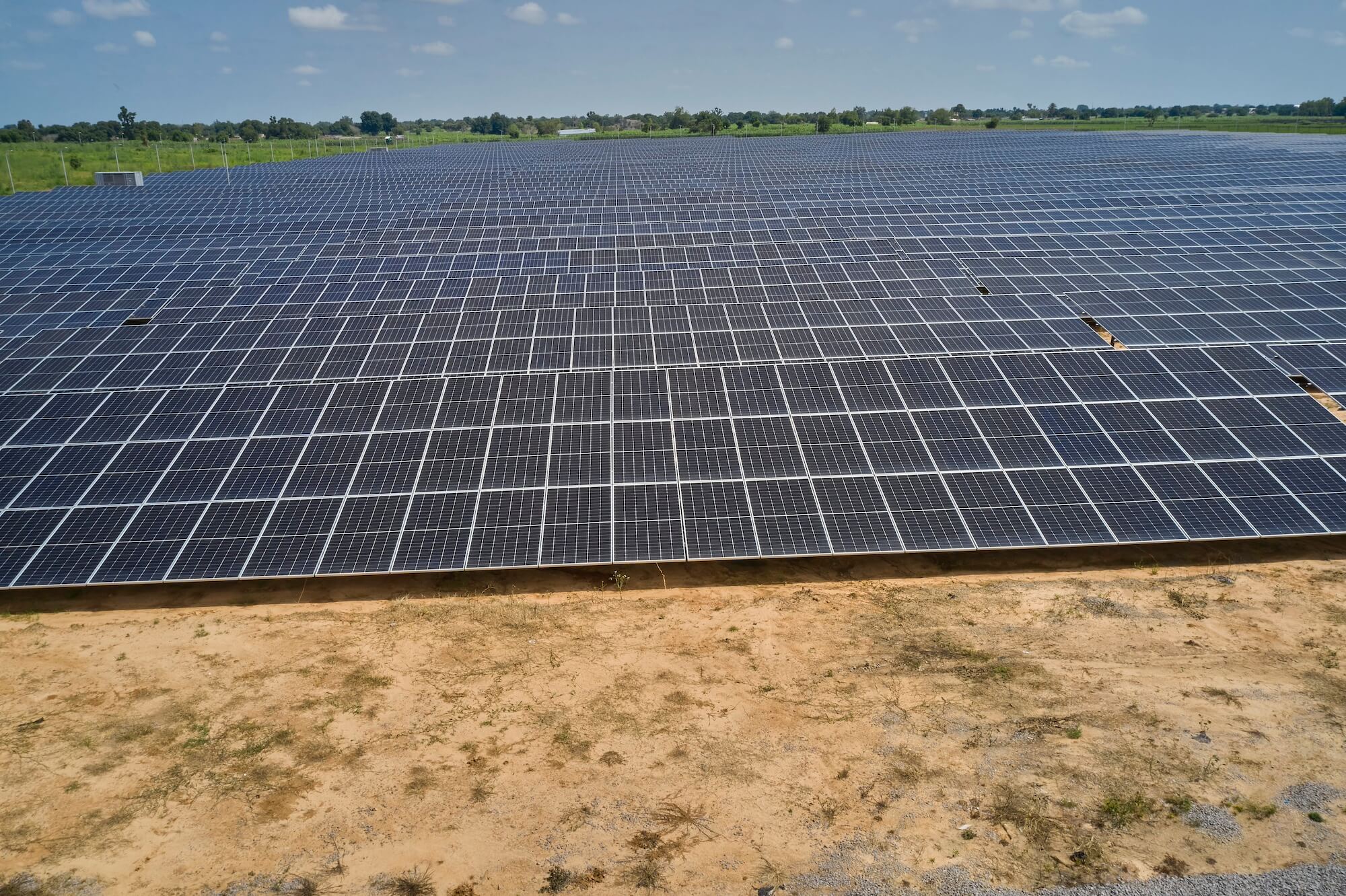
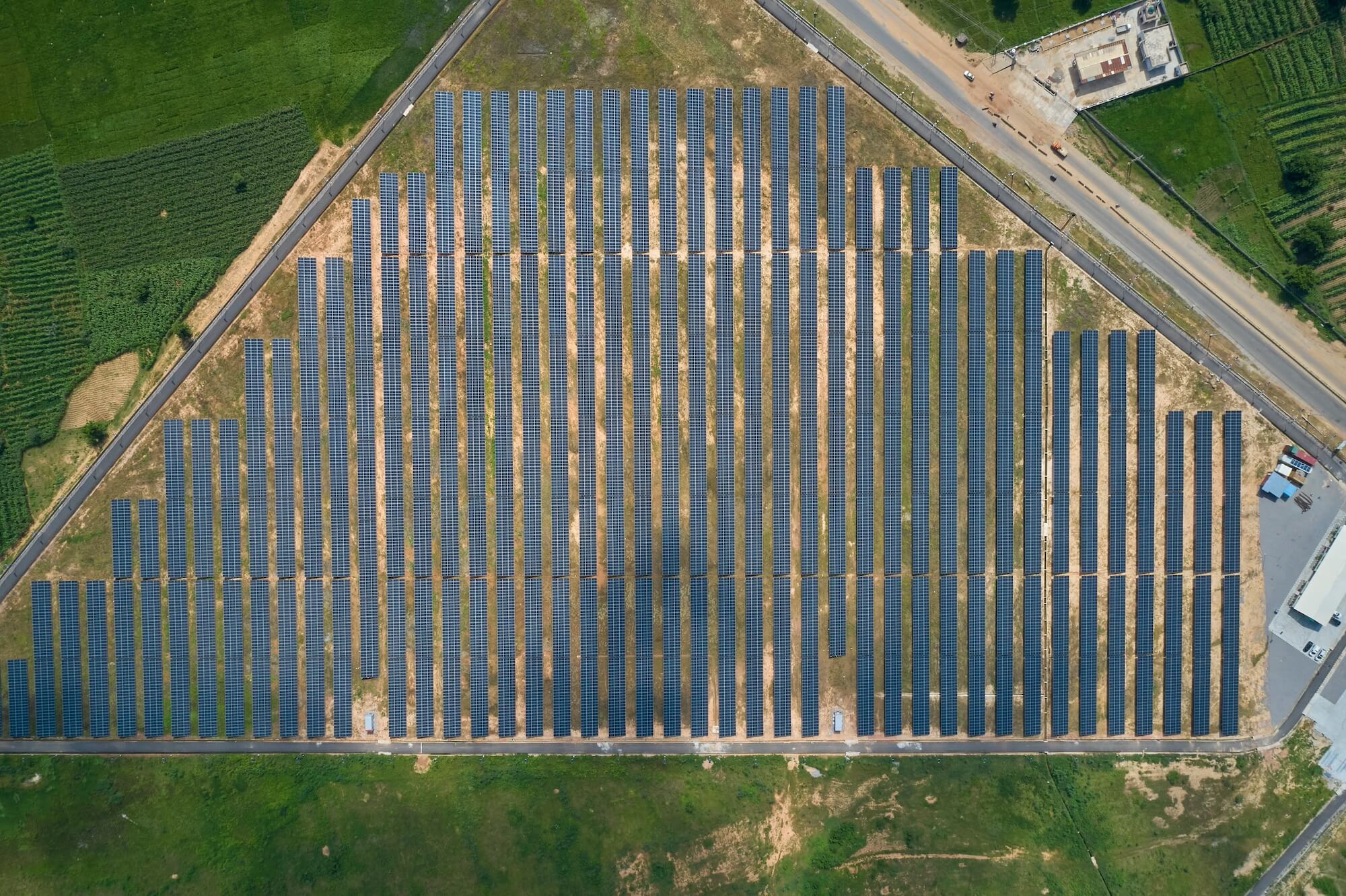
The Project entailed the installation and operation of a 10 MW solar power plant in the Challawa Industrial Area in Kumbotso Local Government Area of Kano State, as a demonstration pilot project to stimulate investment in the Nigerian power sector.
Benefits / Impact (Social, Economic & Others)
Job creation: The construction of the power plant covers a footprint of over 20,000, with the civil works and electromechanical installations involving approximately 300 people. The project also created over 2,000 indirect jobs across transportation, food and beverage, hospitality and related services.
Clean energy: The power plant generates energy without greenhouse gas emissions from fossil fuels and reduces certain types of air pollution. It also helps diversify the energy supply mix and reduce dependence on heavy fuels such as diesel.
Technical capacity development: Being a first-of-its-kind project, the procurement of the EPC and O&M contractors was structured such that a local contractor must have a foreign partner and vice versa. The underlying thesis was to ensure local participation; local creation and value retention; and knowledge (technical) transfer. The objective was to support the sector’s development to a level where complex technical projects could ultimately be delivered without reliance on foreign expertise.